



China's integrated housing supply chain is maturing across five categories. Steel structure is concentrated with leading firms; modular is fragmented; timber is small with overseas strength; SIP is emerging; temporary housing is mature and efficient. Rapid-build demand drives smarter, greener operations.
China prefabricated housing market categories and trends
China's prefabricated housing market has moved from product-level to system-level competition. Buyers now compare whole systems, delivery speed, and lifecycle cost, not only unit price and materials.
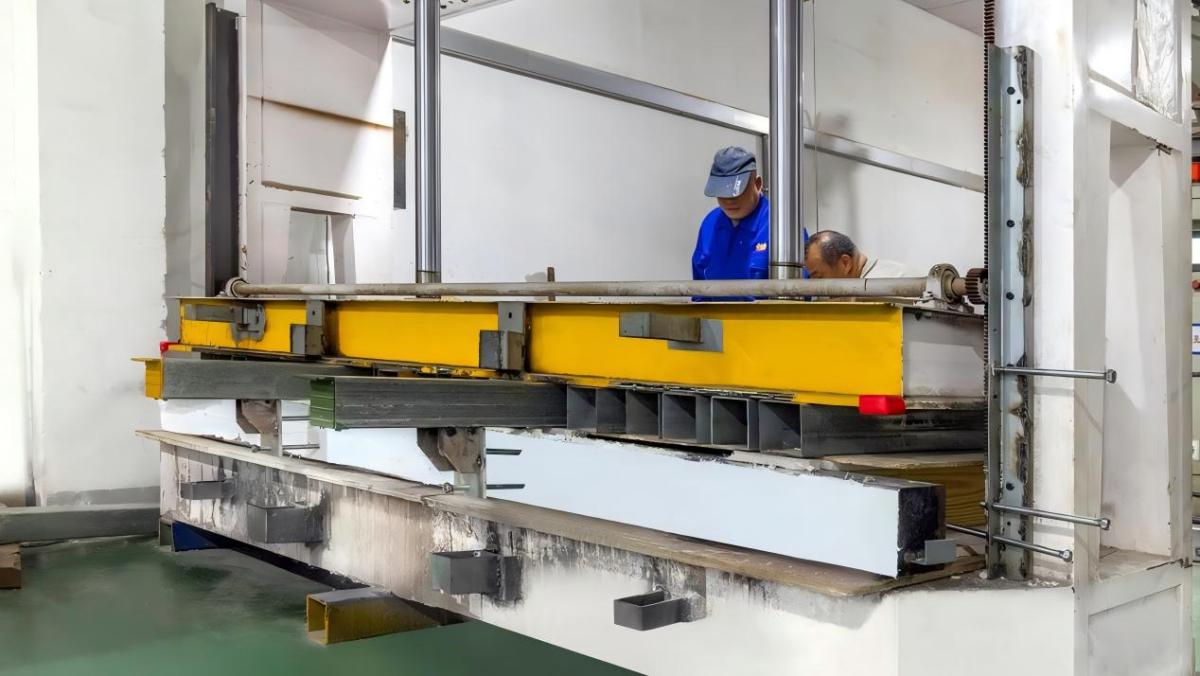
How concentrated is steel structure housing in China?
The need for seismic safety, scale delivery, and landmark projects raises the bar. Small firms struggle with large EPC bids and complex sites. Buyers demand proof, not promises.
Steel structure housing is concentrated. Leading companies win on scale, technology, and project experience, especially on high-end landmarks and large public buildings. Production capacity and seismic know-how shape the top tier.
What defines leadership in steel structure housing?
- Proven high-capacity production and nationwide delivery are basic requirements for major public and landmark projects.
- Tested seismic systems and node reliability matter in high-intensity zones. Full-scale tests and design-life specs signal maturity [3][5].
- Fast assembly with bolt-based connections, no on-site welding, and adaptable foundations improve complex terrain fit [3].
- Envelope performance, like thermal control and no cold-bridge details, lowers lifecycle energy costs [3].
- Documented field cases across extreme climates and altitudes show repeatable performance in real conditions [4][5].
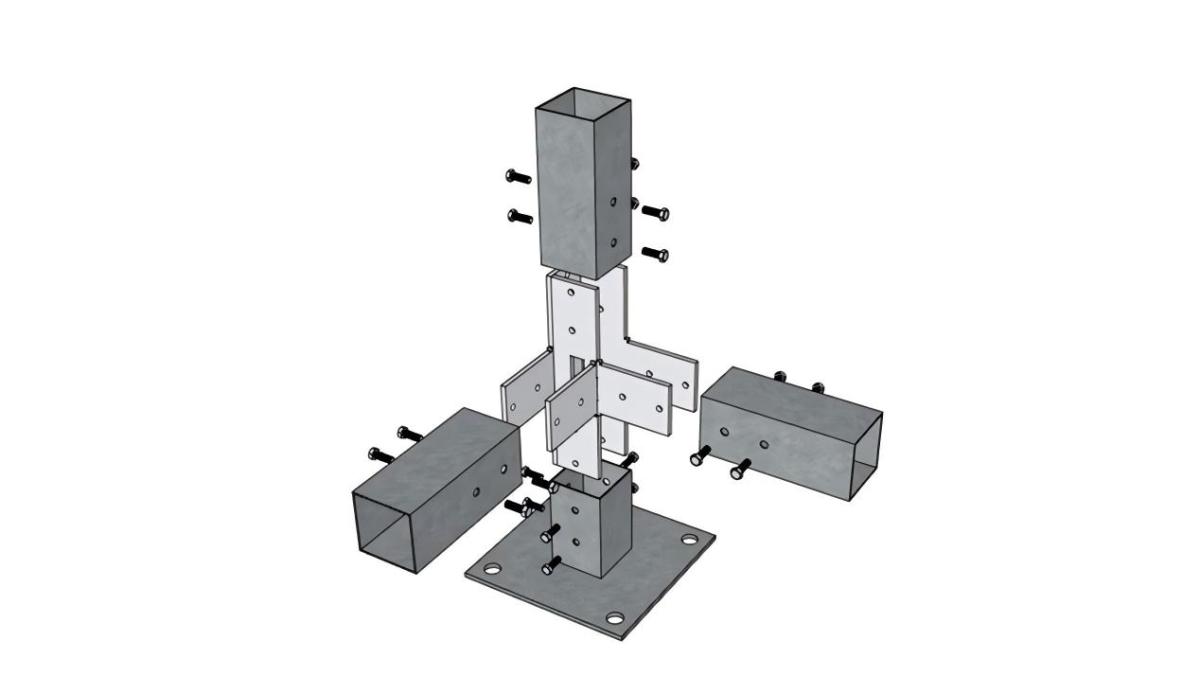
Key differentiators include:
| Factor | Why it matters | Typical proof |
| Capacity | Large project delivery | Factory scale, output data |
| Seismic | Safety in high zones | Lab tests, node reports [3] |
| Assembly | Speed, quality | Bolt-only, no welding [3] |
| Envelope | Opex savings | U-values, system details [3] |
| Field cases | Risk control | Multi-climate references [4][5] |
Why is modular housing so fragmented?
Entry barriers look low. Many players can assemble boxes. True system integration is hard. Logistics, stacking, MEP, and code compliance split the field.
Modular housing is crowded and fragmented. Specialists compete with steel firms expanding into modules. Integration capability and code-ready designs separate stable suppliers from opportunistic entrants.
What separates stable modular suppliers?
- Pre-engineered chassis with stack/load paths and certified connectors enable safe multi-storey layouts.
- Flat-pack logistics, quick-fit MEP, and dry joints reduce site time and rework.
- Envelope kits with verified thermal and waterproof details cut operational costs and warranty claims [3][5].
- Variant management, from dorms to clinics, needs standard modules with configurable options and short lead times.
- Evidence of rapid deployments and repeatable assembly in tough locations improves delivery confidence [4][5].
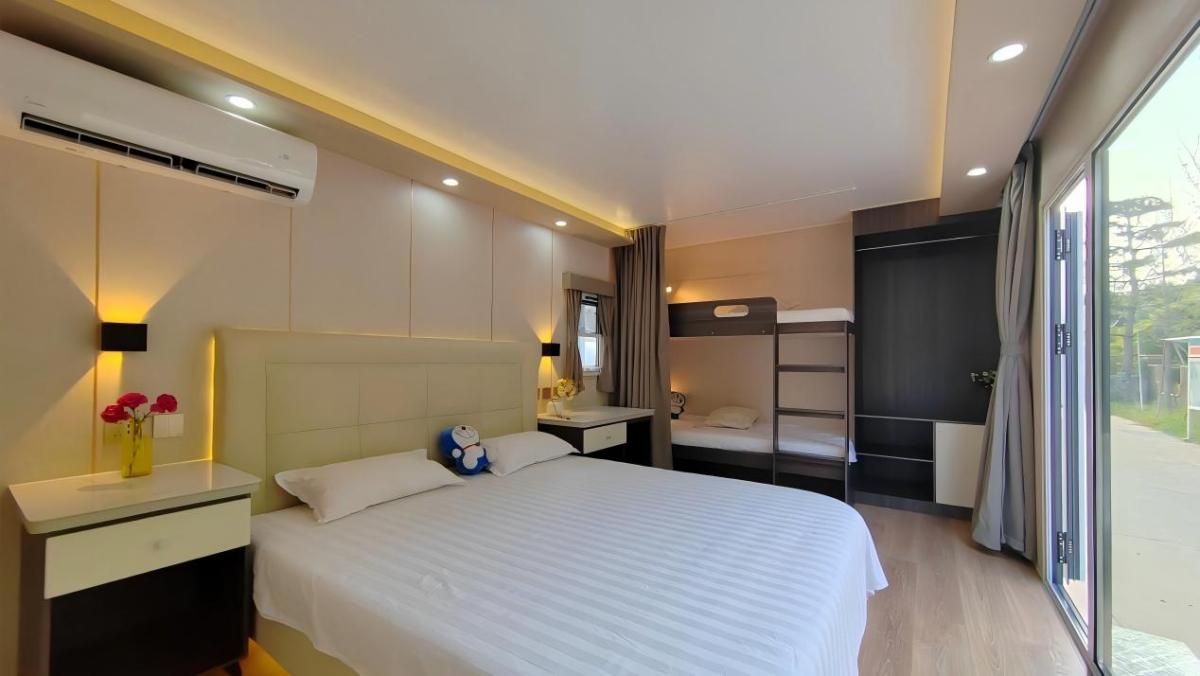
Checklist for buyers:
| Capability | Indicator | Risk if missing |
| Structural integration | Stacking charts, connector data | Limits height/use |
| Rapid assembly | Bolt/dry joints | Delays, weld QA issues |
| MEP integration | Plug-and-play harnesses | Site clashes, leaks |
| Envelope performance | Tested U-values, no cold bridges [3] | High energy spend |
| Field proof | Multi-site references [4][5] | Delivery uncertainty |
Where does timber and modular timber stand now?
Demand grows for warm aesthetics and low carbon. But codes, fire, and moisture deter scale. Domestic supply lags advanced foreign systems.
Timber and modular timber remain small but show potential. Overseas suppliers hold most share due to mature materials and system know-how.
What will unlock timber growth?
- Hybrid systems that pair timber with steel nodes can help with spans, connections, and seismic needs [3].
- Factory-controlled moisture and fire treatments, plus envelope designs without cold bridges, raise durability and comfort [3].
- Clear documentation for fire ratings, seismic behavior, and connectors reduces approval friction.
- Standardized module sizes and interfaces enable predictable logistics and speed.
- Pilot projects in schools, resorts, and low-rise communities can build local confidence.
Buyer focus points:
| Area | What to verify | Why |
|---|---|---|
| Structure | Connection specs, lateral systems | Safety, code ease |
| Fire | Tested assemblies | Permitting speed |
| Moisture | Detailing at joints | Long-term quality |
| Logistics | Module sizes/weights | Transport cost |
| Lifecycle | Energy, maintenance | TCO control |

How should buyers view SIP housing in 2025?
SIP promises speed and insulation. Lack of dominant brands means uneven quality. Site handling and edge details make or break results.
SIP housing is an emerging niche with low concentration. No clear leader exists. Performance depends on panel quality, joints, and installation control.
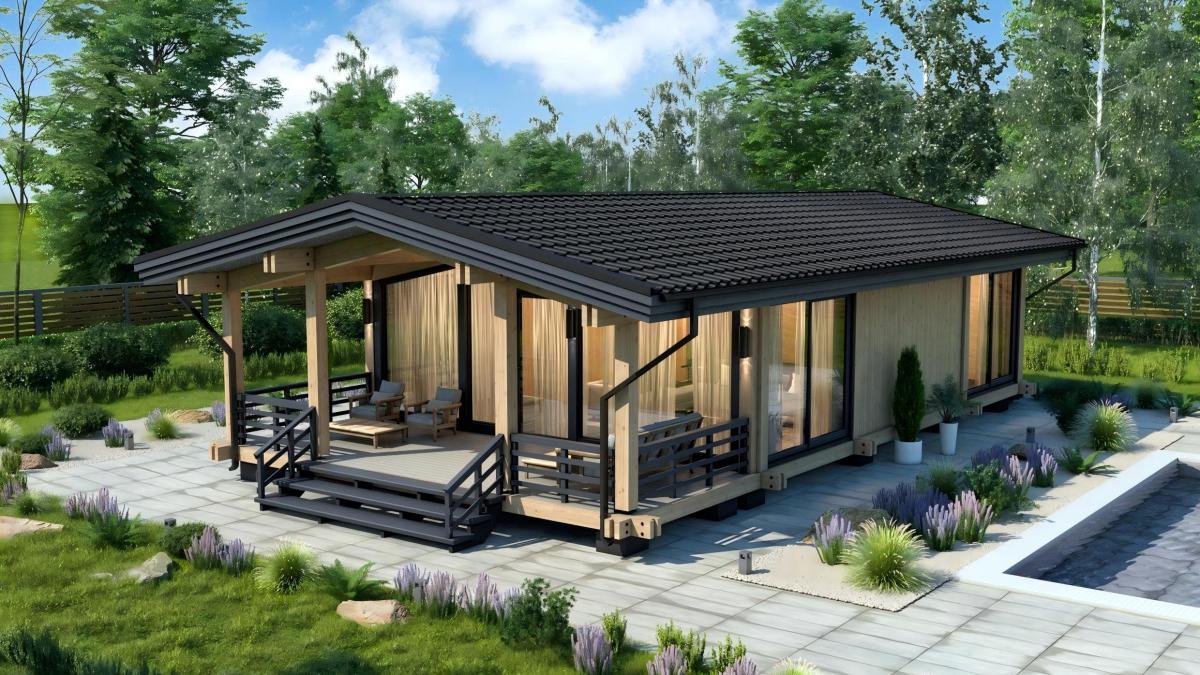
What makes SIP projects succeed?
- Reliable core materials and skins, plus tested joints, deliver structural and thermal targets.
- Verified U-values and no-cold-bridge details cut heating/cooling loads [3].
- Trained crews and simple assembly tools reduce on-site errors.
- Interfaces for doors, windows, and MEP must be preplanned to avoid thermal leaks and rework [3].
- Weather planning and temporary protection keep panels dry and dimensional stable.
SIP due diligence:
| Dimension | Check | Outcome |
|---|---|---|
| Panels | Core density, skin adhesion | Strength, durability |
| Joints | Tested connectors | Air-tightness, loads |
| Envelope | U, Psi values [3] | Energy performance |
| Training | Crew certifications | Fewer defects |
| Weather plan | Site protection | Schedule reliability |
What defines China's temporary housing supply chain today?
Speed wins in emergency and short-term needs. The network is wide and fast. New tech pushes smarter and greener use.
Temporary housing supply in China is mature, efficient, and widely distributed. It meets rapid-build needs well. It is moving toward smarter operations and better sustainability.

What are the operational strengths now?
- Simple bolt-based assembly, no welding, and adjustable supports allow fast builds on uneven sites [3].
- Proven envelope kits maintain indoor comfort under harsh cold, with tested thermal specs and leak control [3][5].
- Reusable systems and high reuse rates cut waste and cost between cycles [3].
- Field deployments in high-altitude and severe climates show robust logistics and reliable operation [4][5].
- Standardized modules support mixed functions like dorms, clinics, and command posts with short lead times [6].
Performance anchors:
| Strength | Evidence | Benefit |
|---|---|---|
| Fast assembly | Bolt-only, flat-pack [3] | Time saved |
| Terrain fit | Adjustable feet [3] | Fewer ground works |
| Thermal control | U-values, no cold bridges [3] | Comfort, energy |
| Reusability | High reuse rate [3] | Lower lifecycle cost |
| Field proof | Extreme climate cases [4][5] | Risk reduction |
Conclusion
China's integrated housing supply chain now favors tested systems, rapid assembly, and lifecycle performance. Concentration rises in steel. Modularity spreads in segments. Evidence-based specs, field cases, and energy outcomes will guide winning bids in 2025 and beyond.

Get a Quote
Regardless of whether you require general advice or specific support, we are happy to help you.