



The People's Liberation Army reports: Recently, a new, detachable, self-powered, insulated shelter consisting of seven modules, including dormitories, a canteen, an integrated washroom, a dry self-cleaning toilet, a warehouse, a microgrid, and heating equipment, has officially been installed in our army's plateau border defense forces.
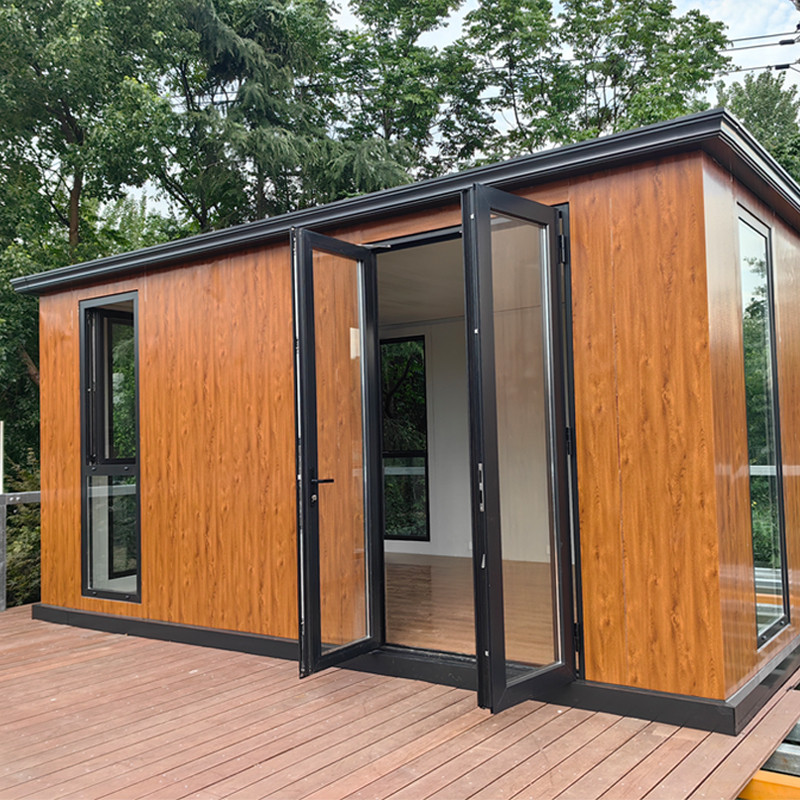
A representative from the Central Military Commission's Logistics Support Department stated that the new detachable, self-powered, insulated shelter is primarily intended for use by border and coastal defense forces operating in plateau, high-altitude, and island regions, as well as by troops stationed in training and temporarily deployed. It supports combat readiness training in extreme climates, provides reliable support for patrol duties, and allows troops to safely and scientifically survive the winter. It also explores a new model for rapid, large-scale field camping in extreme climates.
Developed by the Army Engineering University, this insulated shelter is mission-focused and ready for immediate deployment, reducing reliance on long-distance fuel delivery from the rear. Installation is quick and easy, requiring no large machinery, and can be installed in areas without access to water or electricity. Its structure is removable and its space is adaptable. Over 90% of its components are reusable, and it features an integrated design encompassing architecture, structure, energy, and equipment, resulting in excellent thermal insulation. An integrated photovoltaic microgrid ensures energy self-sufficiency.
This shelter reportedly combines the advantages of a removable structure, ultra-low energy consumption, renewable energy combined heat and power, and a passive solar house. It utilizes an integrated steel-tenon structure, polyurethane sandwich insulation composite panels, a wind-solar-diesel-storage multi-source microgrid, and biodegradable tanks. In particular, it utilizes a combination of passive solar panels and active solar thermal collectors for indoor heating, ensuring temperatures above 15°C even at -40°C outdoors. In the event of prolonged rain or snow, a diesel heater can also be used for emergency heating.

Get a Quote
Regardless of whether you require general advice or specific support, we are happy to help you.